

What is Body Dysmorphia?
Body dysmorphia, clinically known as body dysmorphic disorder (BDD), is a mental health condition characterized by an intense preoccupation with perceived flaws or defects in one’s appearance, which are often minimal or imaginary. Individuals struggling with body dysmorphia frequently engage in obsessive thoughts about their looks, leading to significant distress and impairment in daily functioning. The condition can cause individuals to become increasingly aware of their appearance and overly critical of specific features such as skin, hair, or body shape.
Symptoms of body dysmorphia can manifest in various forms and may include excessive grooming, comparing oneself with others, seeking reassurance, or avoiding social situations due to fear of judgment. These behaviors can perpetuate a negative self-image and reinforce the cycle of anxiety and depression that many experience alongside BDD. Since body dysmorphia affects individuals differently, one person may focus on facial features, while another may be fixated on their weight or physique, illustrating the disorder’s diverse presentations.
Furthermore, individuals with body dysmorphia may engage in detrimental habits, including disordered eating, cosmetic surgeries, or engaging in unhealthy weight control measures in an attempt to rectify their perceived flaws. This relentless pursuit of perceived perfection can lead to serious mental health consequences, including low self-esteem, social isolation, and anxiety disorders. Addressing body dysmorphia effectively requires comprehensive understanding and treatment that may involve therapy and support aimed at reshaping one’s self-perception and managing obsessive thoughts associated with the disorder.
The Psychological Effects of Body Dysmorphia on Women
Body dysmorphia, often manifested through an obsessive focus on perceived flaws in appearance, leads to significant psychological challenges for women. The condition is intricately linked with heightened levels of anxiety and depression, creating a detrimental cycle that compounds mental health issues. Women experiencing body dysmorphia frequently report persistent negative thoughts about their appearance, which can overshadow their overall self-worth and contribute to lowered self-esteem.
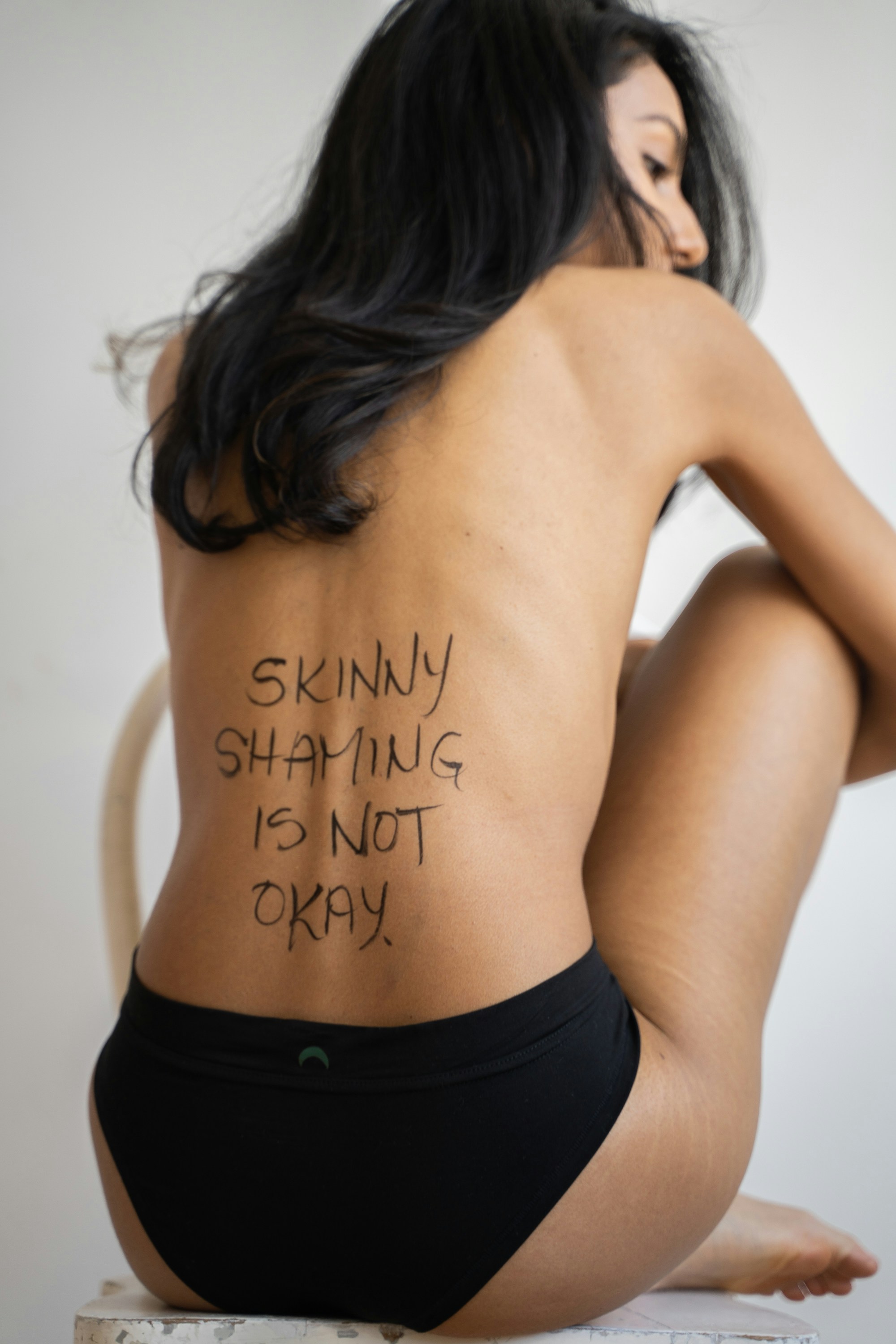
As societal beauty standards continue to evolve, women may find themselves increasingly vulnerable to the pressures of conforming to unrealistic ideals. This societal influence can exacerbate feelings of inadequacy, leading to obsessive behaviors directed towards their perceived flaws. Such behaviors often include excessive grooming or comparing oneself to others, further entrenching the cycle of negative self-perception and emotional distress.
Moreover, the stigma surrounding body dysmorphia can deter women from seeking the help they need. Fear of judgment or misunderstanding can lead to isolation, which only intensifies feelings of loneliness and despair. Psychological treatments, including cognitive behavioral therapy, have been shown to assist in dismantling harmful thought patterns associated with body dysmorphia. However, the journey towards recovery is often hindered by societal pressures that prioritize specific body types, reinforcing the negative body image many women experience.
By addressing the psychological ramifications of body dysmorphia, we not only provide insight into the lived experiences of women but also highlight the need for increased awareness and support. Understanding the interplay between societal pressures and mental health is essential in fostering an environment where women can cultivate a positive sense of self, free from the constraints imposed by external standards.
Physical Manifestations of Body Dysmorphia in Women
Body dysmorphic disorder (BDD) significantly affects various aspects of women’s lives, particularly in the realm of physical health and appearance. One of the most noticeable symptoms is the prevalence of disordered eating behaviors. Women grappling with BDD may engage in extreme dieting, binging, or purging as they obsess over perceived flaws in their bodies. This unhealthy relationship with food often leads to serious nutritional deficiencies, prompting a cycle wherein the pursuit of an idealized form generates further discontentment and compulsion.
Excessive exercise is another common manifestation among women affected by body dysmorphia. The drive to achieve a certain body type or weight can lead to over-exercising, which not only has immediate physical repercussions but also fosters long-term health risks. These can include musculoskeletal injuries, hormonal imbalances, and conditions such as amenorrhea. Women may find themselves trapped in a relentless pursuit of fitness that ultimately deteriorates their overall well-being.
Furthermore, many individuals suffering from BDD may resort to cosmetic procedures in an attempt to rectify perceived imperfections. Such interventions can range from less invasive treatments like fillers and Botox to more drastic surgical options. Although these procedures may provide temporary relief from anxiety surrounding their appearance, they do not address underlying psychological factors, often leading to a cycle of dissatisfaction and repeated surgical enhancements. Consequently, these physical manifestations of body dysmorphia not only alter one’s physical appearance but also exacerbate psychological instability, as the quest for an idealized self continues to gain momentum.
In conclusion, the tangible effects of body dysmorphia in women encompass disordered eating, excessive exercise, and cosmetic interventions, all of which can contribute to severe physical and mental health implications. Understanding these manifestations is crucial in addressing the disorder and providing the necessary support for recovery.
Ways to Address Body Dysmorphia
Addressing body dysmorphia is crucial for promoting mental well-being, especially among women who are disproportionately affected by this disorder. Various strategies can be implemented to help individuals cope and progress towards healing. One of the most effective therapeutic approaches is cognitive-behavioral therapy (CBT), which focuses on identifying and changing distorted thought patterns related to body image. CBT helps individuals understand their negative beliefs about their bodies and replaces them with healthier, more realistic perceptions.
Support groups also play a vital role in addressing body dysmorphia. These groups provide a safe environment for individuals to share their experiences and feelings with others who understand their struggles. Engaging in conversations with peers can foster a sense of community and belonging, which is particularly beneficial in combating feelings of isolation and shame often associated with body dysmorphia.
Education serves as another essential strategy in the battle against body dysmorphia. Raising awareness about the condition, its effects on mental health, and the importance of body image can empower individuals to seek help. Workshops and seminars focused on health and body positivity can help dispel harmful stereotypes and cultivate a more supportive atmosphere. Fostering a positive body image also involves encouraging self-acceptance and self-love. Practices such as mindfulness and self-compassion can aid in the development of a healthier relationship with one’s body.
In addition to professional therapy and group support, various resources are available for individuals grappling with body dysmorphia. Hotlines, websites, and mental health services specifically designed to address body image issues are invaluable tools that can offer immediate assistance. By integrating these strategies and resources, individuals can take proactive steps towards overcoming body dysmorphia, ensuring that they foster a more compassionate and accepting view of themselves.